
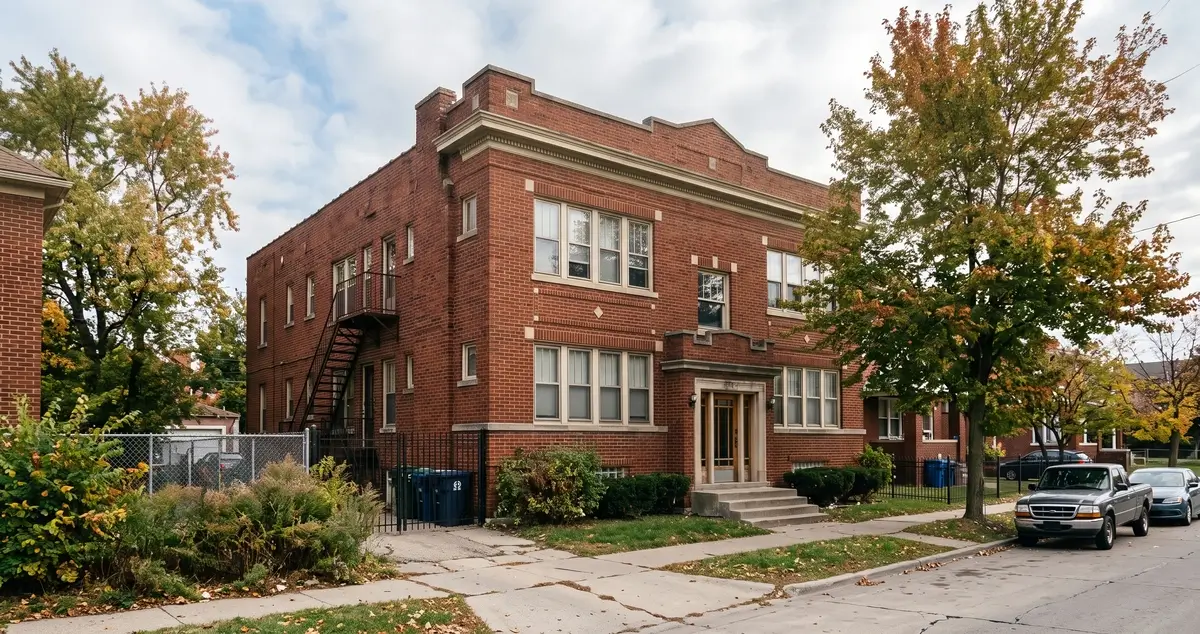
A boiler failure in a single-family rental affects one household. In a fourplex with a shared boiler, the same failure leaves every unit without heat at once, often during the coldest weeks of a Michigan winter. Shared roofs, pipes, and walls turn small problems into building-wide ones. That is why managing small apartment buildings takes careful planning and reliable maintenance coordination.
A 2-10 unit property combines the hands-on work of a single-family rental with the shared-system risks of a larger complex.
For any Michigan landlord, small multifamily property management in Metro Detroit comes down to 4 areas: local compliance, seasonal maintenance, tenant retention, and building-level finances. This guide covers each one.
Key Takeaways
- Shared systems in a 2-10 unit building mean one failure can affect every tenant at once.
- Applying the same screening, deposit, and rent policies to every unit reduces legal and financial risk.
- Early renewal talks and staggered lease end dates help prevent several vacancies at the same time.
- Tracking maintenance cost per unit and funding reserves early keeps major repairs from draining cash flow.
Why Small Apartment Buildings Need Their Own Management Approach
Small apartment buildings need their own management approach because they fall between 2 familiar models. A 2-10 unit property needs more structure than a single rental home, yet it rarely gets priority attention from firms built for large complexes.
What Counts as a Small Apartment Building
In Metro Detroit, small apartment buildings typically include duplexes, triplexes, fourplexes, and walk-up buildings with up to about 10 units. In older buildings, aging boilers, roofs, and plumbing can add to the maintenance load.
Shared Systems Raise the Stakes
In many small buildings, one roof, heating system, parking area, and set of hallways serve every tenant, so a single failure affects the whole building at once. Vacancy math also changes with building size:
- In a duplex, one empty unit cuts rental income in half.
- In an 8-unit building, the same vacancy is a smaller share of income, although capital repairs tend to run larger.
Owner-Occupied Duplexes and Fourplexes
Living in one unit of your own building makes repairs convenient, but it can blur boundaries and make rule enforcement feel personal. Clear written policies keep the relationship professional.
Rental Compliance Rules for Macomb and Oakland County Owners
Compliance for small multifamily buildings in Metro Detroit happens at both the state and local level. Every rule applies to each unit, so one gap in your process can repeat across several tenants.
Local Rental Registration and Inspections
Many Metro Detroit suburbs run their own rental registration and inspection programs. Warren, for example, requires a rental license and an inspection before a unit can be rented. Confirm the requirements with each city's building department before leasing a unit.
Detroit offers a useful comparison. Every rental there needs a Certificate of Compliance. A 2024 ordinance overhaul narrowed inspection requirements and dropped lead testing for most properties. Certificates must be renewed periodically, so track expiration dates for every building.
Michigan Security Deposit Act Requirements
Michigan sets these security deposit rules for every rental unit:
- Deposits cannot exceed 1.5 months' rent (MCL 554.602).
- Landlords must use an inventory checklist at move-in (MCL 554.608).
- After move-out, landlords have 30 days to send an itemized damage list (MCL 554.609).
Missing that 30-day deadline can cost you the right to keep any of the deposit. In a 6-unit building, one sloppy move-out habit repeats with every turnover.
Consistent Screening and Fair Housing
Applying the same written criteria to every applicant protects your income and reduces fair housing risk. A consistent tenant screening process also keeps you aligned with Michigan law. State law bars discrimination based on a tenant's lawful source of income, such as housing vouchers or Social Security.
Seasonal Maintenance for Shared Building Systems
Preventive maintenance timed to Michigan's seasons is the best defense against building-wide emergencies in small apartment buildings.
Fall and Winter Preparation
Michigan winters put the most strain on shared systems. Before temperatures drop, complete these tasks:
- Service boilers and furnaces every fall before heating season.
- Inspect roofs and gutters after the leaves drop.
- Book snow removal and salting contracts before the first snowfall.
- Repair freeze-thaw cracks in walkways, stairs, and parking areas before they become trip hazards.
Safety Checks and Common Area Upkeep
Test smoke and carbon monoxide alarms on a regular schedule, and keep fire extinguisher inspections current. Exits should stay clear, and mechanical rooms should stay locked.
Common areas also shape how tenants judge the entire property. Clean hallways, working lighting, and a tidy laundry area signal that the building is well run. Building-wide pest control matters too, since pests travel easily through shared walls.
Tenant Retention and Consistent Rent Collection
Steady occupancy and predictable collections usually protect cash flow in small multifamily buildings more than rent increases do.
Renewals, Turnovers, and Lease Timing
Start renewal conversations 60 to 90 days before each lease ends, and schedule cleaning and repairs before move-out day. Staggering lease end dates keeps several units from turning over at once. Pricing each unit to the current market also shortens vacancies.
Rent Collection and Tenant Relations
Use one process and schedule for every tenant, and enforce late fees exactly as the lease states. A dependable rent collection system with online payments through Rentvine creates a clear record for every unit.
Written house rules for parking, trash, and noise prevent neighbor disputes. Fast repairs give good tenants one more reason to renew.
Tracking Finances Building by Building
Small multifamily owners should measure performance at the building level and fund reserves before major systems fail.
Reserves and Capital Planning
Keep separate operating and reserve accounts for the building. Plan for roofs, boilers, windows, and parking lots by estimating each system's remaining life and replacement cost. Then set aside a portion of rent each month to cover those costs when they come due.
Key Numbers to Track
The following gives a clear picture of your building's health:
- Occupancy: the share of units currently leased.
- Delinquency: the amount of rent that is past due.
- Turnover: how many units changed tenants during the year.
- Maintenance cost per unit: total repair spending divided by the number of units.
- Net operating income (NOI): the income left after operating expenses.
A steady climb in maintenance cost per unit often signals that a major system is nearing replacement.
Utilities, Ancillary Income, and Insurance
Separate meters let tenants pay for their own usage. With shared meters, utility costs generally stay with you, so confirm Michigan rules before passing them on to tenants. Laundry, parking, or storage can add modest income. Review property and liability coverage every year as values and repair costs change.
FAQs
1. How much can I charge for a security deposit on each unit in Michigan?
Michigan caps security deposits at 1.5 months' rent per unit. You must also use a move-in inventory checklist and send any itemized damage list within 30 days of move-out.
2. Do I need a rental inspection for my building in Metro Detroit?
It depends on the city, since many Metro Detroit suburbs run their own registration and inspection programs. Check with the local building department before leasing. Detroit, for example, requires a Certificate of Compliance for every rental.
3. What should I know before living in one unit of my duplex?
On-site living makes repairs convenient, but it can blur boundaries with tenants. Written policies for rules and requests help keep the relationship professional.
4. What maintenance should my building get before winter?
Service boilers and furnaces in the fall, and inspect roofs and gutters after the leaves drop. Book snow removal and salting contracts before the first snowfall.
Small Buildings Reward Owners Who Run on Systems
The owners who do best with small apartment buildings face the same problems as everyone else. They simply handle each one through a system instead of from memory. A maintenance calendar, a standard move-out checklist, and written screening criteria turn a midwinter boiler failure into a routine work order. Those same systems also reveal when outside help makes sense. Common signs include limited time, a property far from home, or plans to add more units.
At Nelson Property Management, we manage duplexes, triplexes, quadplexes, and buildings with up to 6 to 8 units across Macomb and Oakland Counties. Explore our multifamily property management services to see how we can keep your building running smoothly.